Gas Stations & Pay-at-Pump

The Forecourt and the Store, One Account.

Most of a fuel site’s transactions happen outdoors with nobody standing next to them. Take payment at the dispenser, at the register, at the wash bay and in the app — and close the shift on one report instead of two.

Equipment Zero-upfront equipment options for qualified merchants
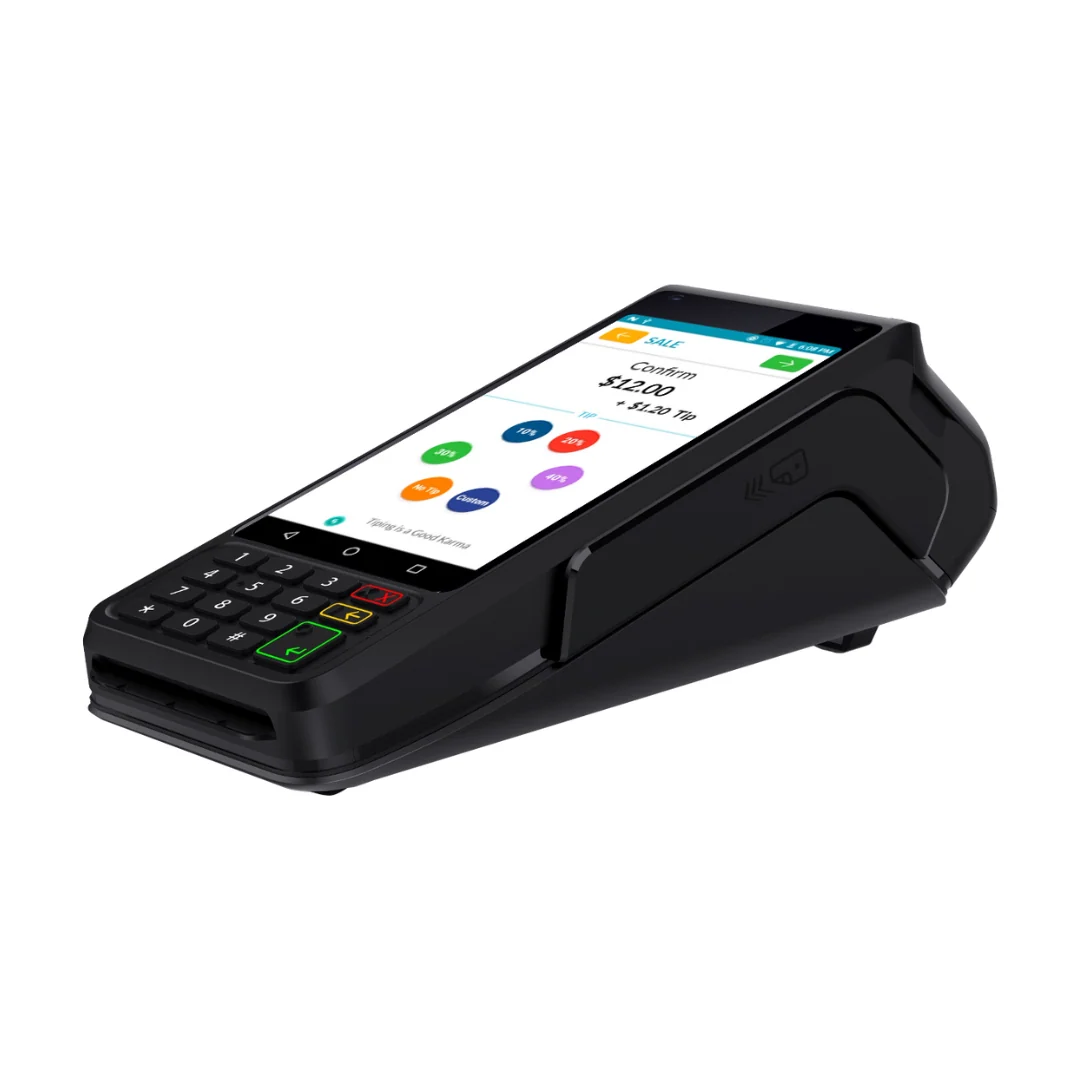
Pay-at-Pump Terminal Illustrative
Outdoor EMV Unattended Contactless Shift reporting

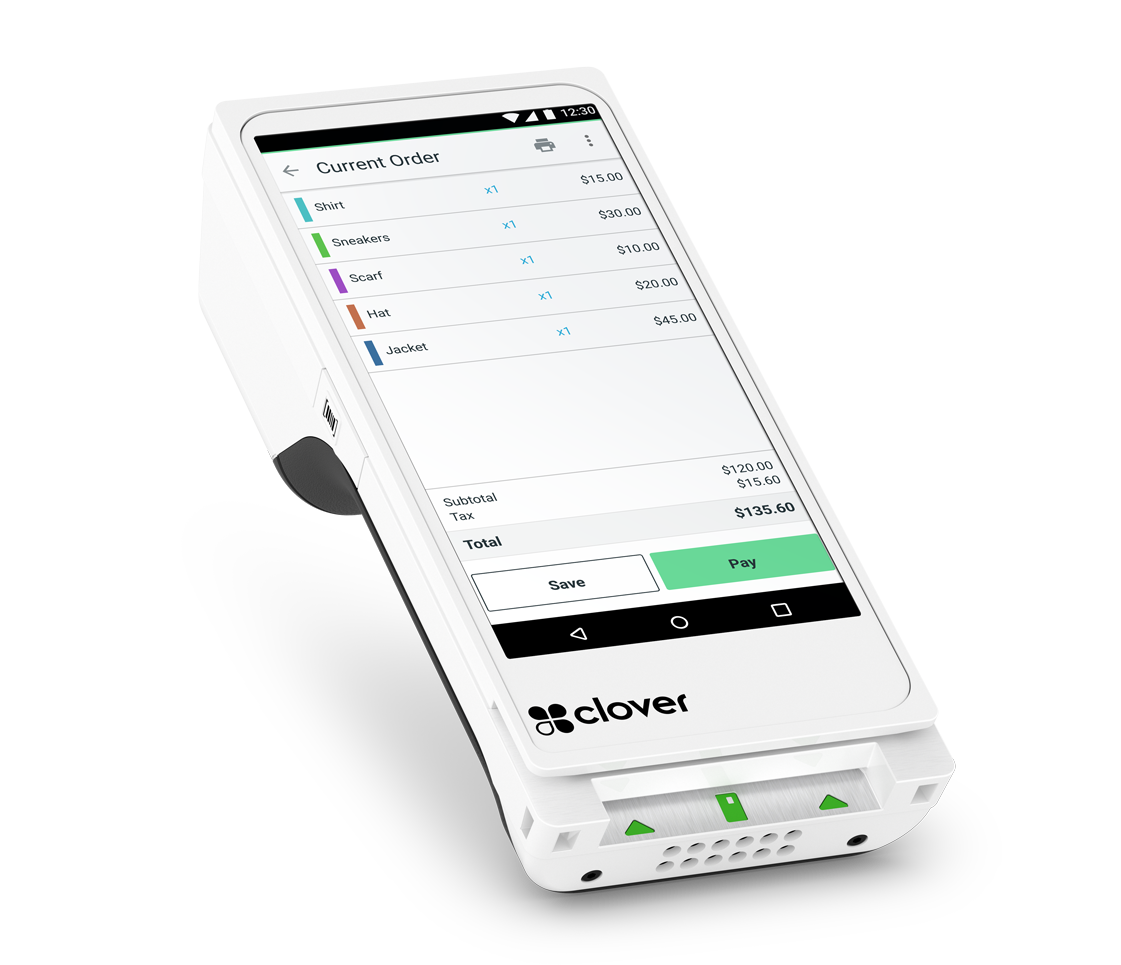
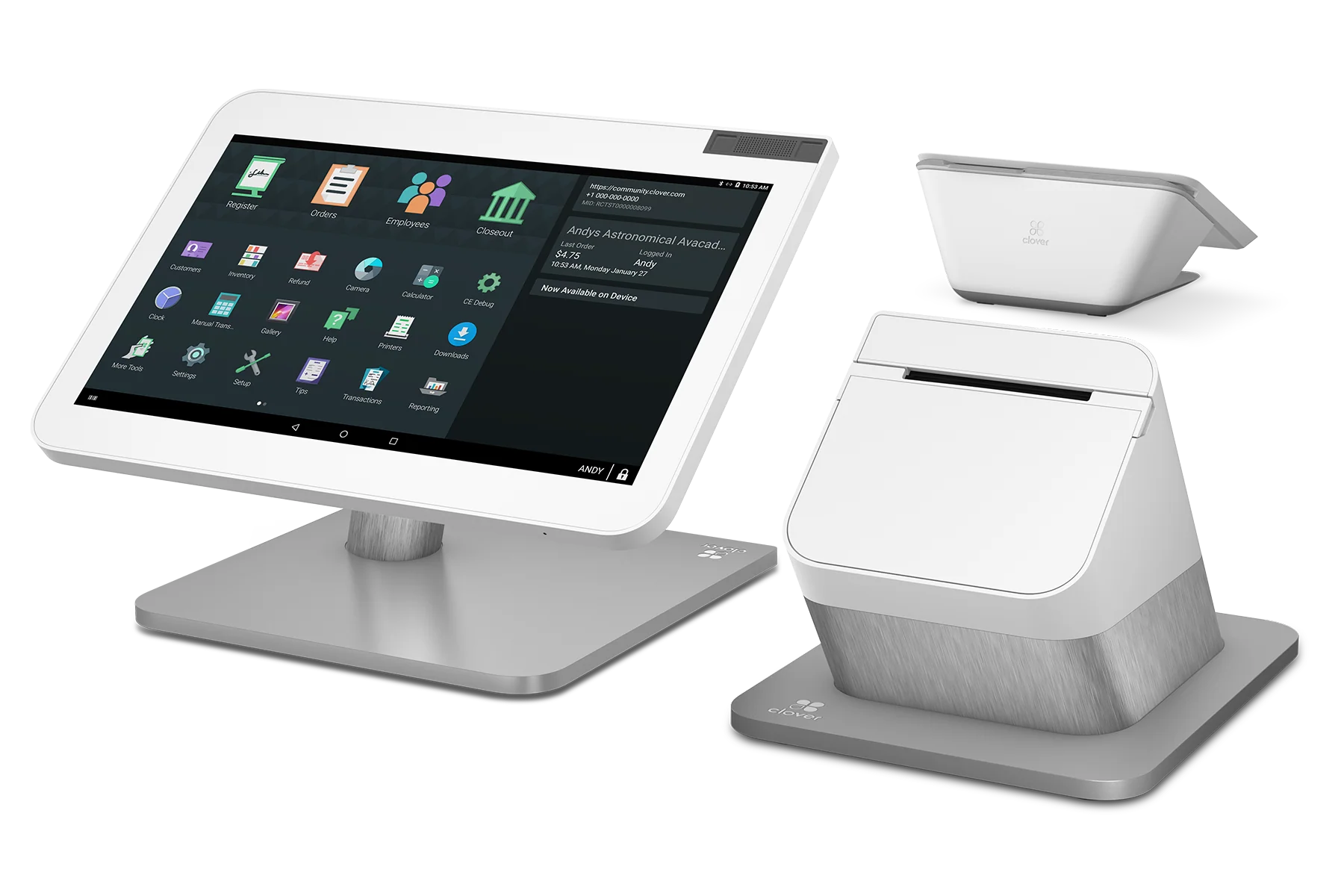
Equipment shown is illustrative. Your configuration is chosen with you.

How a site runs

Every payment point on your site, indoors and out.

A fuel site takes money in more places than almost any other business, and most of them have nobody standing next to them. The dispenser, the register, the wash bay and the app all have to work unattended and settle into the same place. Pick a point to see how it is handled.

One merchant accountOne shift reportForecourt and store together

Pump

The transaction nobody is standing next to.

Most fuel sales are authorized, completed and receipted at the dispenser without anyone from the site involved. That puts the weight on outdoor hardware and on the connection behind it — the equipment has to hold up in the weather and keep working at two in the morning.

  • HandlesOutdoor EMV, contactless and wallets at the dispenser
  • Reviewed withYour dispensers and site controller, before anything is proposed
Pay-at-Pump Terminal Illustrative
Kiosk & store

The register that sells everything else.

Coffee, snacks, lottery, prepay fuel and the customer who wants a receipt for the pump — the inside register handles all of it, usually with one person on shift. It has to be fast, obvious and hard to get wrong at the end of a long night.

  • HandlesCard present, contactless, prepay fuel, refunds
  • Good forSingle-operator shifts, high transaction counts, small tickets
Countertop POS Illustrative
Car wash & unattended

A payment point with no staff at all.

A wash bay, a vacuum, an air line or an after-hours kiosk all take money with nobody there to help. The terminal has to be readable in daylight, tolerate weather, and fail in a way that does not strand a customer halfway through.

  • HandlesUnattended card present, contactless, on-screen prompts
  • Good forWash bays, vacuums, after-hours and self-serve points
Smart Terminal Illustrative
Mobile & online

The customer who pays before they arrive.

App-based fuelling, prepaid wash codes, online orders for a food counter and payment links for account customers all bring money in before anybody reaches the till. Card data is tokenized by the gateway, so you are not holding card numbers on site.

  • HandlesHosted checkout, payment links, stored cards for regulars
  • Good forPrepaid wash, food pre-orders, account customers
Online Checkout Illustrative
Close-out

One account, one shift, one report.

Fuel and store sales settle into the same place, so the shift figure is one number rather than two that have to be tied together by hand. Sales by point, refunds against the sales they belong to, and what is funding to your bank account on your funding schedule.

  • HandlesShift and day batch, refunds, funding visibility
  • Good forWhoever hands over at shift change and whoever reconciles it
Smart Terminal Illustrative
Inside and outside

The forecourt is a different upgrade from the register.

Inside the store, a fuel site is an ordinary counter: a basket, a card, a receipt. Outside, fuel is authorized before anyone knows what it will cost, the device lives in the weather and is unattended for most of its life, and changing it means touching dispensers and a site controller rather than swapping a box on a counter.

Outdoor EMV has consequences
The liability shift for automated fuel dispensers took effect in April 2021. Where a chip card is taken by swipe at a dispenser that cannot read the chip, fraud liability on that transaction can fall to the site rather than to the issuer.
Skimming is a forecourt problem
An unattended device in a car park is the one payment point nobody is watching, which is why chip acceptance outdoors is about exposure rather than about convenience.
Fuel authorizes before it prices
A pre-authorization goes out before a drop is pumped and is completed at the real amount afterwards. It is the one card-present flow on this site that behaves like nothing else in retail.
Dispenser work starts with a survey
What is possible depends on the dispensers and the site controller you already have and how they are connected. That is established by looking at your forecourt, not by reading a compatibility chart.
The inside lane is the ordinary one
The register, the second lane and a handheld for the wash or the food counter are a normal counter upgrade, and they are the equipment shown below.
POS & Hardware

Equipment for inside the store.

Equipment & Financing
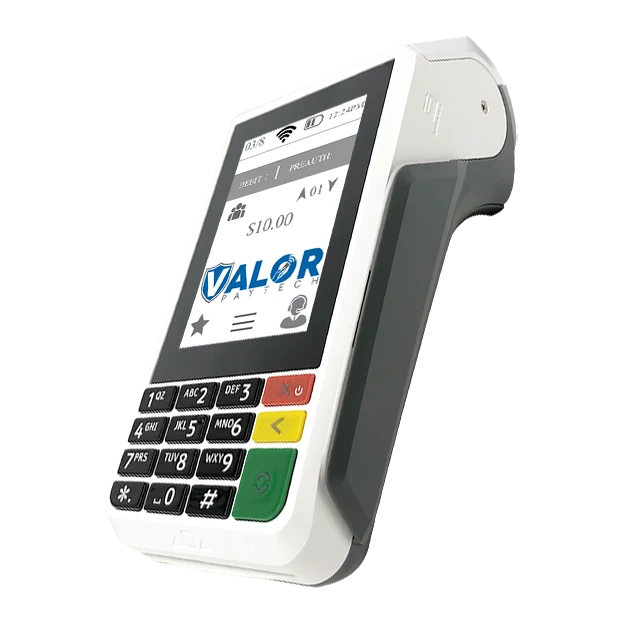
Valor VP100

The register, the second lane and the handheld — the part of a fuel site that looks like every other counter.

A countertop terminal with a 3.5-inch touchscreen, EBT support and a dual-connection failback.

  • Magnetic stripeISO 7810 / 7811 / 7813 triple track, bi-directional
  • Chip cardISO 7816 ID-1, 1.8V / 3V / 5V, T=0, T=1
  • ContactlessISO 14443 Type A/B, ISO 18092 NFC, MIFARE and Sony FeliCa at 13.56 MHz
View details for Valor VP100

Dispenser and forecourt work is quoted from a site survey rather than from a product list. In-store equipment can be purchased outright or financed, including zero-upfront options for qualified merchants — availability depends on the equipment selected and on underwriting.

What changes on shift

The practical difference across a site.

  • One reconciliation instead of two.

    The awkward part of running a fuel site is not taking the money — it is that the forecourt and the store often arrive as separate reports that somebody has to tie together at shift change. Settling both into one merchant account makes the shift figure a single number, and puts a refund next to the sale it belongs to.

  • Take payment however the driver wants to pay.

    Chip, contactless and wallets at the dispenser and the register, plus app and online payments — all on the same merchant account and the same reporting.

    • Outdoor EMV
    • Contactless
    • Wallets
    • Unattended
    • Mobile
    • Payment links
  • Equipment options

    Buy outright or finance, with zero-upfront options for qualified merchants. Adding a wash bay or a second register is a change to an existing relationship rather than a new search.

  • Cash and card pricing, done properly

    Two prices on a forecourt sign is already what customers expect. A compliant program keeps the sign, the dispenser, the shelf and the receipt saying the same thing.

  • Support at the hours a site runs

    A terminal that stops working outdoors is not a next-morning problem. Support comes from a team that can see your account and your equipment rather than a queue that starts from scratch.

Forecourt equipment offer

Zero-upfront equipment options for qualified merchants.

Equipment can be purchased outright or financed, and zero-upfront options are available for qualified merchants switching their processing to Highline. What is available depends on the equipment selected and on the outcome of a review — it is confirmed with you, not assumed.

  • QualifyingFuel and convenience merchants switching their processing to Highline
  • Confirmed byStatement analysis, underwriting and approval
  • Also reviewedWhat your dispensers and site controller can support

Equipment options are subject to underwriting and approval, and availability depends on the equipment selected. Nothing here is an offer of credit or a guarantee of pricing; final terms require statement analysis and approval.

Cash Discount

Two prices on the sign, and everywhere else.

A forecourt is the one place a customer already expects to see a cash price and a card price. A compliant Cash Discount or dual-pricing program formalises that so the cost of card acceptance is carried at the point of sale — and so the inside of the store says the same thing as the sign outside.

  • It is a program, not a rate. Choosing it changes how the cost is presented. It does not by itself set what you pay — that still comes out of a statement review.
  • The sign is only the start. The dispenser, the shelf, the register and the receipt all have to agree with the price on the pole. One inconsistency is the one a customer notices.
  • Fuel and in-store may differ. How the program applies to fuel and how it applies to the store are separate questions, and both are settled during setup rather than assumed.
  • It is optional, and reversible. If it does not suit your site you can be moved back to interchange-plus or flat-rate pricing.
Business funding

Capital for the work a site cannot do in pieces.

Reviewed alongside your processing rather than as a separate application.

  1. Forecourt equipment Dispenser work and outdoor terminals — the most expensive thing on a site to replace, and the hardest to do a bit at a time.
  2. Store remodel Refrigeration, shelving, a food counter, or the fit-out that turns a kiosk into a convenience store.
  3. Inventory Stocking up around a season, a promotion or a site acquisition.
  4. Working capital Covering a quiet stretch, a compliance upgrade, or the gap between paying for stock and selling it.

Programs, amounts and terms are subject to underwriting and approval, and differ by business. Nothing here is an offer of credit.

Why Highline

Set up by people who have configured a forecourt before.

Processing, the equipment on the forecourt and the funding conversation come from one relationship, so nobody is waiting on a third party while a dispenser is out of service.

Your equipment checked first
What your dispensers and site controller can support is established before anything is proposed, because that is what decides the answer.
Breadth behind the account
45+ banking relationships and 20+ supported currencies, so a site that adds a kitchen, a car wash or a second forecourt changes its setup rather than its provider.
Programs you can change
Interchange-plus, flat rate or a compliant Cash Discount program, with the ability to move between them as the site changes.
One team for all of it
Processing, hardware and funding sit with the same people, so the terminal suits the program and the funding review already knows your volume.
Questions

Fuel and convenience payments, answered plainly.

If the question is about your own site, the useful answer comes from someone looking at your statement and your forecourt.

Talk to Sales
Can Highline support pay-at-the-pump?

Dispenser acceptance is the point of a fuel setup, and it is reviewed as part of your site rather than added afterwards. What is possible depends on the dispensers and the site controller you already have and on how they are connected, which is why the equipment conversation starts with a survey of what is on your forecourt today rather than with a device.

Worth saying plainly: no terminal is pump-capable because it accepts cards. Forecourt acceptance is a property of the dispenser and the controller behind it, and anyone who quotes you outdoor capability without having looked at your site is quoting something they do not know.

What changed with outdoor EMV, and does it affect me?

The liability shift for automated fuel dispensers took effect in April 2021. In practice that means where a chip card is taken by swipe at a dispenser that cannot read the chip, liability for fraud on that transaction can fall to the site rather than to the card issuer — which matters at a forecourt more than almost anywhere else, because an unattended device in a car park is the payment point nobody is watching.

Whether it affects you depends on what your dispensers do today. It is one of the first things a site survey establishes, and it is worth knowing before it is established by a chargeback.

Do the forecourt and the store report together?

That is the aim, and it is the main reason to run both on one merchant relationship. Fuel and in-store sales settle to the same account and appear in the same reporting, so the shift figure is one number rather than two that have to be reconciled by hand.

Can I run different pricing for cash and card?

A compliant Cash Discount or dual-pricing program is available, and a forecourt is the one place customers already expect to see two prices. The requirement is consistency: the sign, the dispenser, the shelf and the receipt all have to agree. Card network rules and state law both govern how that is displayed and disclosed, and they differ — confirm what applies to your site before launching.

What about fleet and account customers?

Fleet and house-account cards are a normal part of a fuel site’s mix, and how they are handled depends on the networks and the site controller involved. It is reviewed with your setup rather than assumed, because the answer is different for a single site than for a group.

Can I add a car wash or a food counter later?

Yes. Another payment point on the same site is a configuration change rather than a new relationship — an unattended bay terminal, a second register at a food counter, or a handheld for a busy period. It reports through the same account as everything else.

How is my processing rate determined?

By your business type, your monthly volume, your average ticket and how your sales split between card-present, keyed and online. Fuel changes that mix a lot — a lot of transactions, a lot of them outdoors and unattended — which is why we review a recent processing statement rather than quote a rate first. Any figure shown before that review is an estimate, not an offer.

Get started with Highline

Ready for a forecourt and a store that reconcile together?

Pump. Kiosk. Wash. One account.

  • Your dispensers checked before anything is proposed
  • Forecourt and store on one report
  • Zero-upfront equipment options for qualified merchants